The Central Arizona Project board voted to open the door to litigation over federal management of the river, objecting to a plan that cuts Arizona's supply while not requiring reductions from upstream states. CAP says the framework violates the Colorado River Compact.
Colorado River · U.S. Bureau of Reclamation
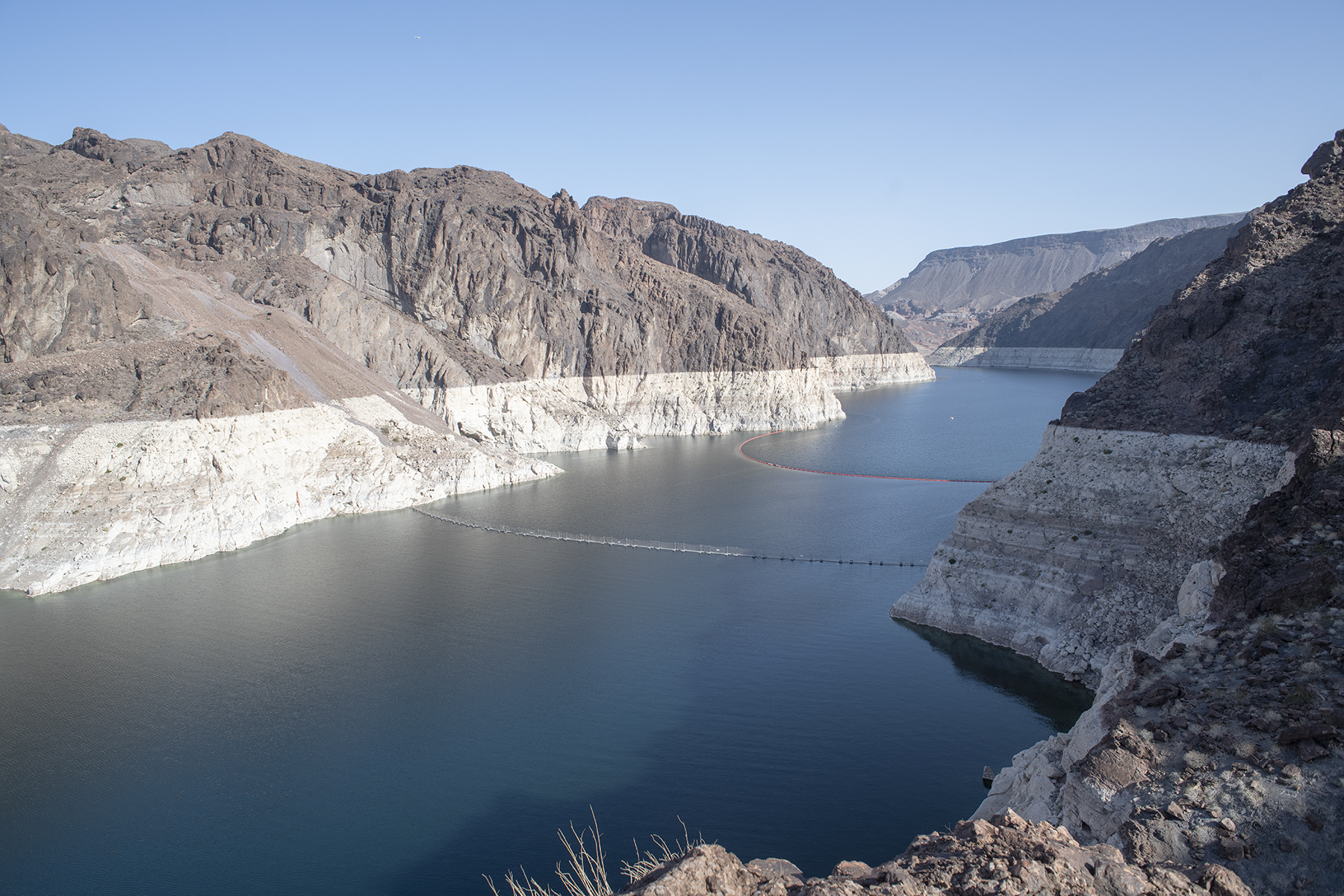
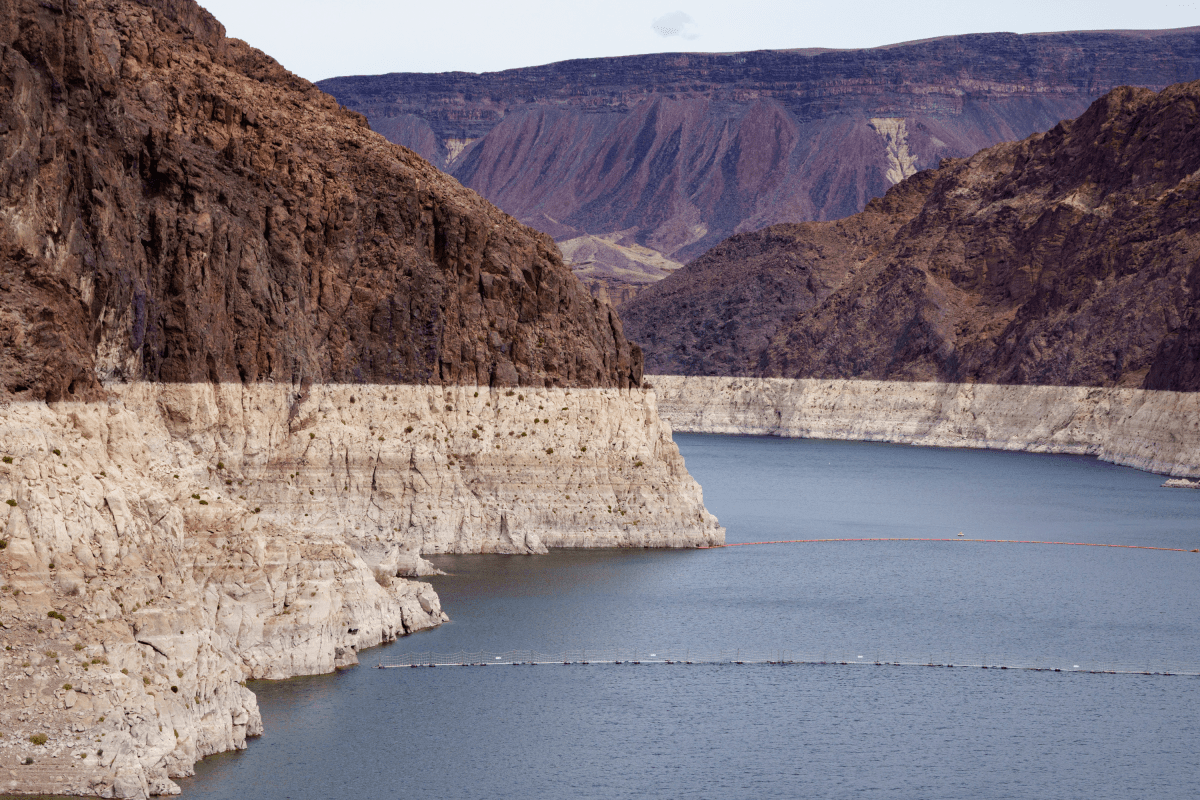
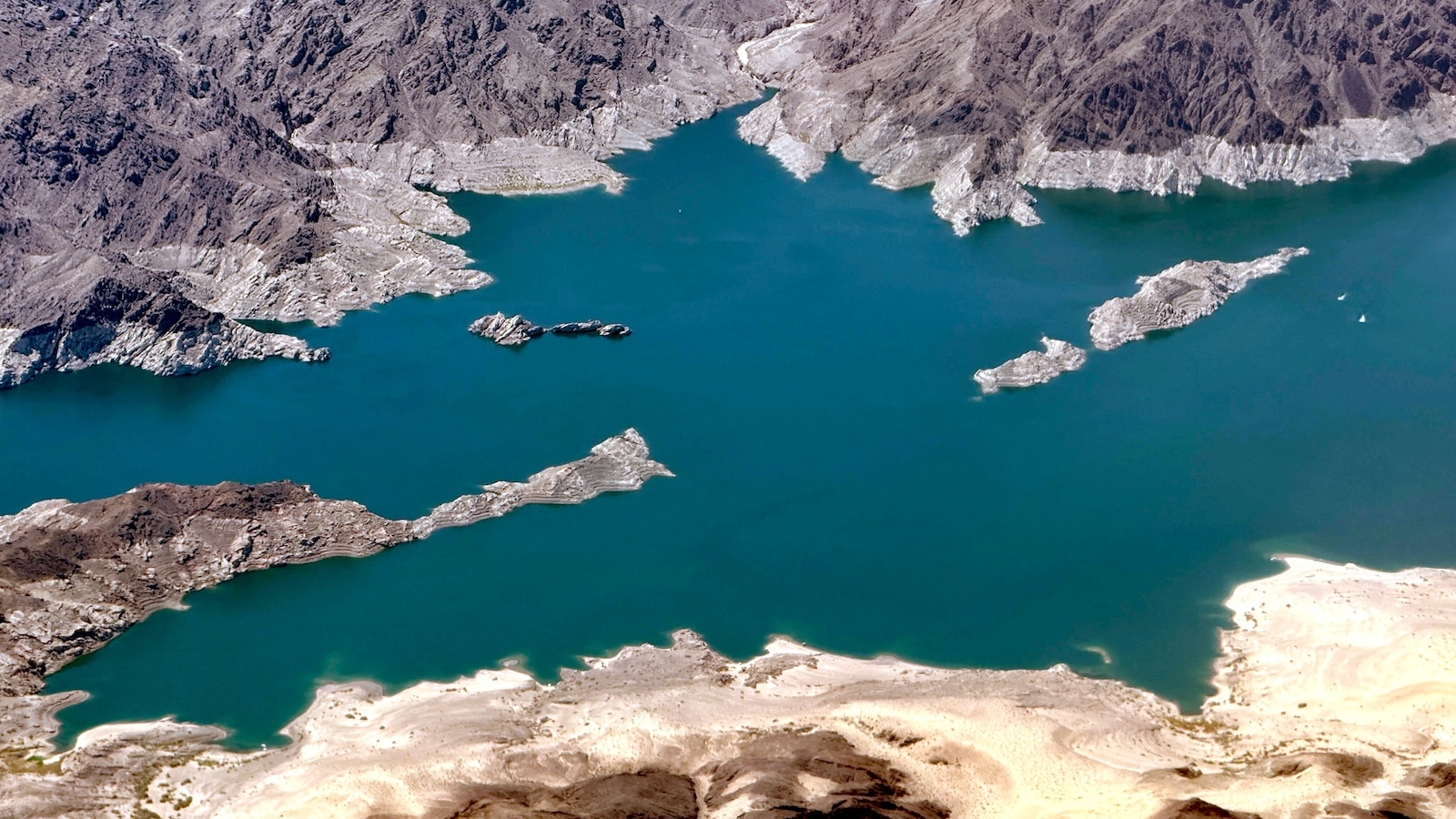
Lake Mead
Hoover Dam · 28.95 MAF capacity at full pool
Loading live data
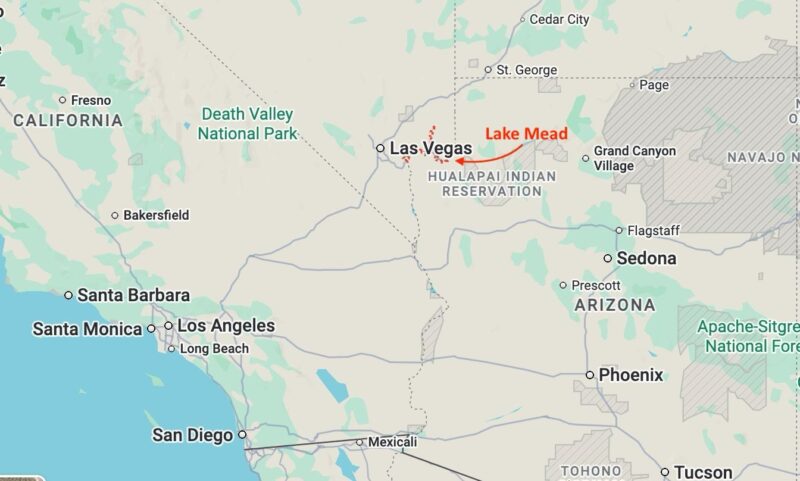
Loading map…
About Mead
Lake Mead is the largest reservoir in the United States by maximum capacity. It sits behind Hoover Dam on the Colorado River, straddling the Arizona–Nevada border roughly 30 miles southeast of Las Vegas.
Hoover Dam was completed in 1936 and is operated by the U.S. Bureau of Reclamation. Mead supplies water to the Las Vegas metro, Arizona's Central Arizona Project, the Metropolitan Water District of Southern California, and Mexico under the 1944 U.S.–Mexico water treaty.
Daily storage, elevation, and release values come from the USBR Reclamation Information Sharing Environment (RISE). Shortage tiers follow the 2019 Lower Basin Drought Contingency Plan. USBR declares the operating tier for each calendar year in August, based on the projected January 1 elevation in the August 24-Month Study.
Recent coverage
Coverage from federal agencies and named news outlets. AZMap is not the publisher.
- CAP leaders take a step toward legal action over Arizona's Colorado River water share
- Lawsuit filed over plan for Colorado River where Arizona is set to take deep cuts
Nevada filed a lawsuit against the U.S. Department of the Interior challenging the finalized Colorado River operating plan, which requires Arizona to take the steepest cuts, 760,000 acre-feet a year, while upper-basin states face no mandated reductions.
- Interior Department Finalizes Plans for 2027-2028 Colorado River Operations
Interior signed the Record of Decision and the 2027-2028 operating guidelines on Aug. 21, cutting Lower Basin deliveries by 1.25 million acre-feet a year. Arizona gives up 760,000 acre-feet, California 440,000 and Nevada 50,000. The rules take effect Oct. 1.
- Arizona's Colorado River water cuts to increase by 48%
Arizona's reduction rises from the 512,000 acre-feet it gives up under current Tier 1 shortage rules to 760,000 acre-feet, a 48% increase. Gov. Katie Hobbs said the negotiated deal headed off a proposed 77% cut to the Central Arizona Project's supply.
- Arizona sees largest Colorado River cuts under new federal water deal
The Central Arizona Project takes about a 50% reduction under the deal. Exposure varies by city: Cave Creek draws 95% of its water from the Colorado River, Scottsdale 70% and Phoenix 40%. Water experts expect taps to keep running but rates to rise.
- A new Colorado River plan is here — and Arizona will take the biggest water cuts
Arizona absorbs the largest share of the new Lower Basin reductions, 760,000 acre-feet a year through 2028. Cities in the Phoenix and Tucson areas are hit hardest, though utilities have banked groundwater and other backup supplies, so most residents are unlikely to notice a change.
- Lake Mead sets a record low. It's only the beginning
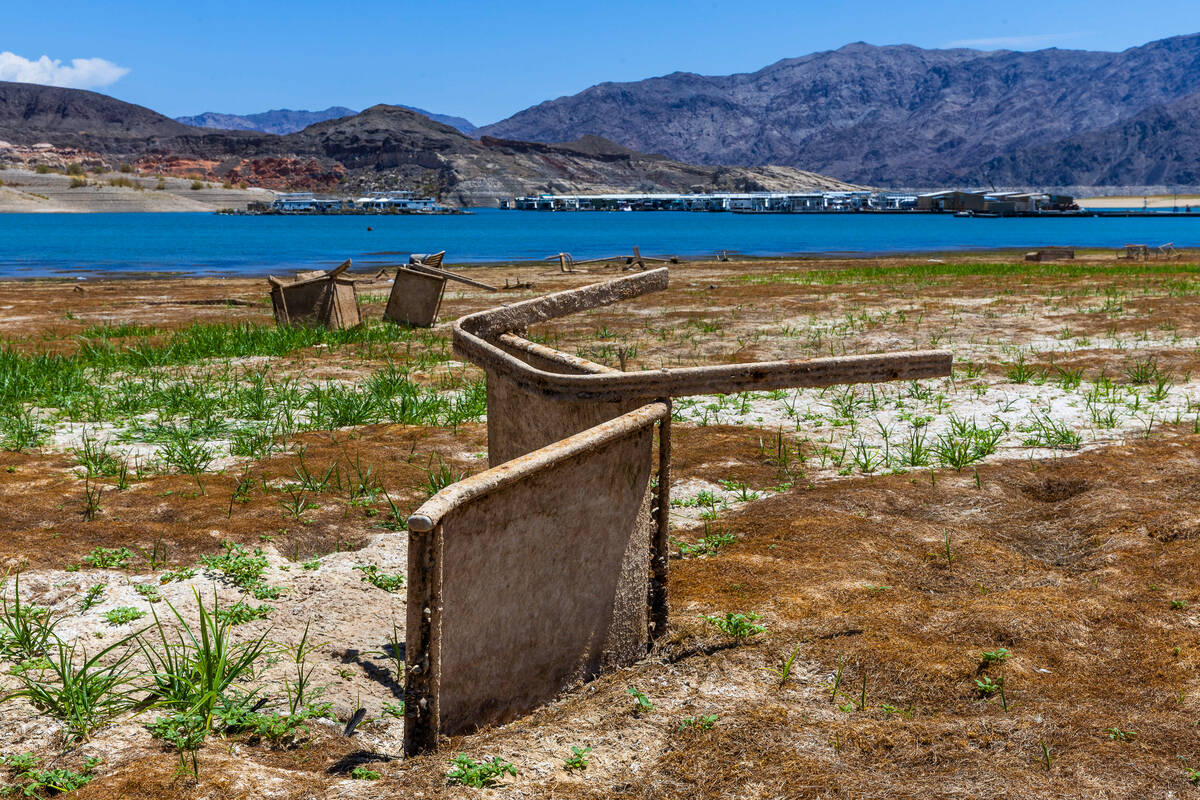
Lake Mead dropped to 1,040.46 feet early Friday, Aug. 7, edging below the July 2022 record of 1,040.50 feet. Federal forecasters project the reservoir will set a new record low nearly every month through 2028.
- Reclamation Publishes Final Environmental Impact Statement for Future Colorado River Operations
Reclamation's Final Environmental Impact Statement sets sideboards for operations through 2036: Lake Powell releases of 5.0 to 12.0 million acre-feet a year and Lower Basin shortages of up to 3.0 million acre-feet. Operating guidelines will be issued at roughly two-year intervals.
- There's a new plan for Colorado River water after years of negotiations. Here's what to know
The Interior Department's final plan sets a 10-year framework for Lake Powell and Lake Mead that is revisited every two years. Lower Basin states face combined cuts of 1.25 million acre-feet in 2027 and 2028, and new release rules take effect Oct. 1 with a Record of Decision.
- The Colorado River's biggest reservoirs are in 'uncharted territory' after new record low
Lake Powell and Lake Mead together hold less water than at any point since May 1957, before Powell was built, according to a new paper from Colorado River researchers. Jack Schmidt of the Center for Colorado River Studies said the basin is in uncharted territory as state talks stay stalled.
- Arizona faces 77% cut in share of Colorado River as states remain deadlocked over water allocation
Arizona could face cuts of up to 77% of its Colorado River allocation if states fail to reach a deal and the federal government imposes its own reallocation plan. Lake Mead stood at 1,048 feet in June 2026; Reclamation announced $52 million for new low-elevation Hoover Dam turbines.
- Lake Mead, Lake Powell Face 'System Crash' by 2028, Scientists Warn
A University of Colorado analysis warns that Lake Mead and Lake Powell face a "system crash" by 2028, with a roughly 2.6 million acre-foot annual shortfall between supply and use. Another dry year could force run-of-the-river operations, cutting off stored water deliveries and hydropower generation.
- Will Lake Mead – largest US reservoir – reach record lows?
The Bureau of Reclamation's May 2026 report projects Lake Mead could drop to 1,020 feet by July 2027, 20 feet below the 2022 record low of 1,040 feet. Upstream drought conditions in Utah and Colorado are rated extreme to exceptional as of mid-May 2026.
- Water supplies along Colorado River basin in peril, experts say
The Bureau of Reclamation's May 2026 24-month study projects Lake Mead could reach a record-low elevation of 1,036 feet in 2026, below the 2022 record of 1,040 feet. Inflow into Lake Powell between April and July is forecast at 800,000 acre-feet, the lowest on record at 13% of the period average.
- May 2026 Most Probable 24-Month Study
Reclamation's May 2026 24-Month Study projects Lake Mead water levels could reach 1,020 feet by July 2027, 20 feet below the 2022 record low. The Central Arizona Project diversion for 2026 is projected at 0.886 million acre-feet, down under Level 1 shortage restrictions.
- The Country's Largest Reservoir Is Running Low, Signaling A 'Dire Water Supply Situation'
Lake Mead's elevation stood at 1,058 feet in late April 2026, about 20 feet from its 2022 all-time low and 175 feet below maximum capacity. NOAA's drought coordinator attributed the decline to historically low snowpack that peaked 30 to 40 days earlier than normal across the Colorado River Basin.
- Lake Mead's lowest level on record could come in 2027, bureau says
Bureau of Reclamation projections released in March 2026 show Lake Mead could drop to 1,032.76 feet by November 2027, nearly 8 feet below the 2022 record low. States blew past a federal deadline to agree on post-2026 operating guidelines, leaving the government to impose a plan by October 1.
- 'Significant' Lake Mead Project to Begin This Month
The NPS launched a $2 million repaving of 3.7 miles of Willow Beach Road inside Lake Mead National Recreation Area, funded entirely from visitor entrance fees. Construction was set to run weekdays through mid-March 2026, with one-lane traffic delays expected during active work phases.